
A previous Home Office report revealed that employers in the construction industry had the biggest knowledge gap around the correct right to work documents.
The research was conducted by Verian and they found that 41 per cent of businesses surveyed in the sector believed that illegal working was in fact common.
With strict enforcement from the Home Office and proposed changes that could extend right to work checks to contractors and the self-employed, construction employers need to get this process right.
Our Immigration solicitor, Pooja Kaur, explains the process for right to work checks and how construction employers can stay compliant.
What are right to work checks?
Right to work checks are a legal requirement for all UK employees.
Before you employ someone, you must verify that they have the legal right to work in the UK and you will need to review official documents or use the Home Office’s online checking system to confirm this.
The 2024 Home Office report found that 70 per cent of construction employers incorrectly accepted a driving licence as documentation for the right to work.
This correct documentation includes:
- A valid passport (British or Irish)
- A share code from the Government’s online checking service
- Birth Certificate paired with a National Insurance number document
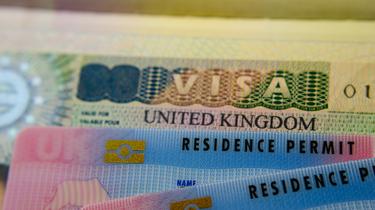
- Biometric Residence Permit (BRP)
You need to confirm that the documents given to you are genuine and belong to the individual. You must also keep a clear record of your checks.
Completing these checks correctly can help protect your business from penalties if it later turns out the individual did not have the right to work in the UK.
Why are right to work checks needed?
Right to work checks are meant to prevent illegal working and ensure fair and lawful employment practices.
Employers who do not comply with these checks face a penalty of up to £60,000 per worker or even criminal prosecution or imprisonment.
The Government takes this enforcement seriously. The Home Office carried out nearly 1,000 enforcement visits (996) across London in 2024 and 462 premises in London received civil penalty notice referrals in the same year.
What are the risks of illegal working on site?
The risks of illegal working in construction go much further than penalties.
Projects can be delayed if workers are removed during inspections and your business may suffer reputational damage if enforcement action becomes public.
There are also health and safety risks if a worker’s identity and qualifications cannot be verified and you cannot afford to overlook this.
Right to work checks are changing
Many construction businesses rely on contractors, subcontractors, agency workers and self-employed individuals for their projects.
The current legislation around right to work checks applies to employees, but employers are encouraged to ensure their labour supply chain is also compliant.
There is new legislation that is under consultation that looks to support further checks in this area.
The Government are looking for these checks to cover a range of working arrangements, including certain contractors and individuals in labour supply chains.
This is why it’s a good idea to get ahead of these checks and know who you are working with.
How can we support your right to work checks?
We don’t want you to put your business at risk of a damaging fine and we are here to help you stay compliant.
Our immigration team can help assess your potential employee’s visa and documentation and ensure they have the legal right to work in the UK.
For further support or advice, contact our Immigration Law team.