
Construction projects are rarely straightforward and often involve strict deadlines and multiple parties working side by side.
Liability can arise quickly and unexpectedly and knowing how to reduce the risks of a claim can help prevent disputes.
Our Head of Construction Law, Adam Davis, explains how contractors should approach a construction liability claim to protect their business and finances.
What is construction liability?
Construction liability refers to the legal responsibility a contractor or construction business may face when their actions or work cause loss, damage or injury.
This can relate to physical defects, financial loss, personal injury or breaches of statutory duties.
Liability in construction is rarely isolated to one issue and often more than one party can be held responsible depending on the circumstances.
How do construction liability claims arise?
Most claims stem from issues that develop during the project and common clauses include:
- Defective workmanship where work falls below contractual standards
- Delays and disruption, leading to financial loss for clients or developers
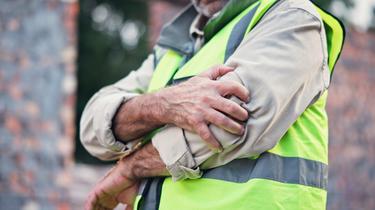
- Health and safety incidents, resulting in injury on site
- Design or specification errors, particularly where contractors have design responsibility
- Non-compliance with regulations, such as Building Regulations or CDM duties
- Supply chain failures, including defective materials or subcontractor errors
Even minor problems can escalate if they are not dealt with early, especially if records are unclear or communication breaks down.
What is the construction liability claims process?
While each case is different, most construction liability claims follow a similar path.
The process usually begins with a notification where a defect, delay or incident is formally raised and this is followed by an investigation stage. This will often involve site inspections and a review of contractual obligations.
Many claims are resolved through early negotiation or Alternative Dispute Resolution (ADR), such as adjudication or mediation, which is often faster and more cost-effective than court proceedings.
However, if a resolution cannot be reached, the claim progresses to formal legal proceedings, including arbitration or litigation. Through this process, outcomes are typically reached through a settlement or a legally binding decision by a third party or the courts.
How can you reduce liability risks?
While not all claims can be avoided, contractors can reduce the risk by preparing early and having well-drafted contracts in place.
Contractors should seek legal support at the outset to understand their responsibilities and the dispute resolution procedures to prevent costly misunderstandings later.
Building sites should also maintain high standards of health and safety, including regular training and site audits, to reduce the risk of accidents and related claims.
Recording inspections, variations and sign-offs creates a paper trail that can protect your business and help prevent defects before they become disputes.
When dealing with any construction matter, keeping accurate records and documentation of any communication is crucial.
How can we support you?
Construction liability claims do not have to derail your business and understanding how liability arises can allow you to manage potential risks effectively.
Our expert team can help review your contracts and risk management procedures to ensure the right preventative measures are in place.
If a dispute does arise, we can help gather the right evidence and support you through the resolution process.
If you need advice on how to manage a construction liability claim, contact our team today.
